A Certified Coach Answers 6 FAQs On What Makes Coaching Special

Photo by Anthony Tran on Unsplash
For most of my life, coaching meant one thing: sports.
I grew up playing volleyball and basketball, and my kids have spent many hours playing soccer. Coaches have always been a part of our world.
To play a sport well, you need a coach. A great coach teaches, encourages, strategizes, challenges, develops, inspires, and helps you see what’s possible. They celebrate victories, navigate setbacks, and keep you moving toward your goals. They mentor you in what they know well.
For years, that was the only kind of coaching I knew.
So what changed?
These days, coaching seems to be everywhere. In conversations, workplaces, leadership circles, and personal growth journeys, people are talking about coaching like never before.
What’s driving all this interest? Is life coaching the same as sports coaching? What makes someone a coach? And could coaching be something for me?
To explore these questions and more, I sat down with one of our See Beyond coaches. Rod is a Master Certified Coach (MCC) with the International Coaching Federation (ICF) and brings more than 3,500 hours of leadership coaching experience to the conversation.
See Beyond: What is coaching?
Rod: This is a question that people often ask me.
Most people seek out a coach because they want a thought-provoking, creative partnership that helps them pause, reflect, and move forward with greater clarity about what they’re experiencing. I don’t give advice or solve the problem for them. Instead, I partner with the client through presence, deep listening, and powerful questions so they can gain awareness, notice what’s emerging, and choose meaningful actions for themselves.
Coaching is grounded in connection with the client as a whole person—not just their issue—and honors the client as an equal partner who drives the agenda and chooses the direction. It creates space for the client to move from automatic “go, go, go” into intentional learning and growth. Through this partnership, clients discover insights that drive real, lasting change and translate those insights into actions they own.
Here is the International Coaching Federation’s definition:
“Coaching is a thought-provoking and creative partnership that inspires clients to maximize their personal and professional potential, often unlocking previously untapped sources of imagination, productivity, and leadership.”
How is coaching different from sports coaching?
Rod: In reality, a better term for a sports coach is “mentoring,” since the “coach” is providing their expertise and pouring into the lives of these players.
Professional coaching is different. Coaching does not offer advice or tell others what to do. Coaches don’t share their wisdom or experience as the primary source of answers. Instead, they partner with the individual to help them explore the topic, process what they’re learning, and gain new awareness. This approach increases the individual’s ownership of their own learning, their own discoveries, and the action steps they choose for themselves to move forward.
What are the greatest benefits to being coached?
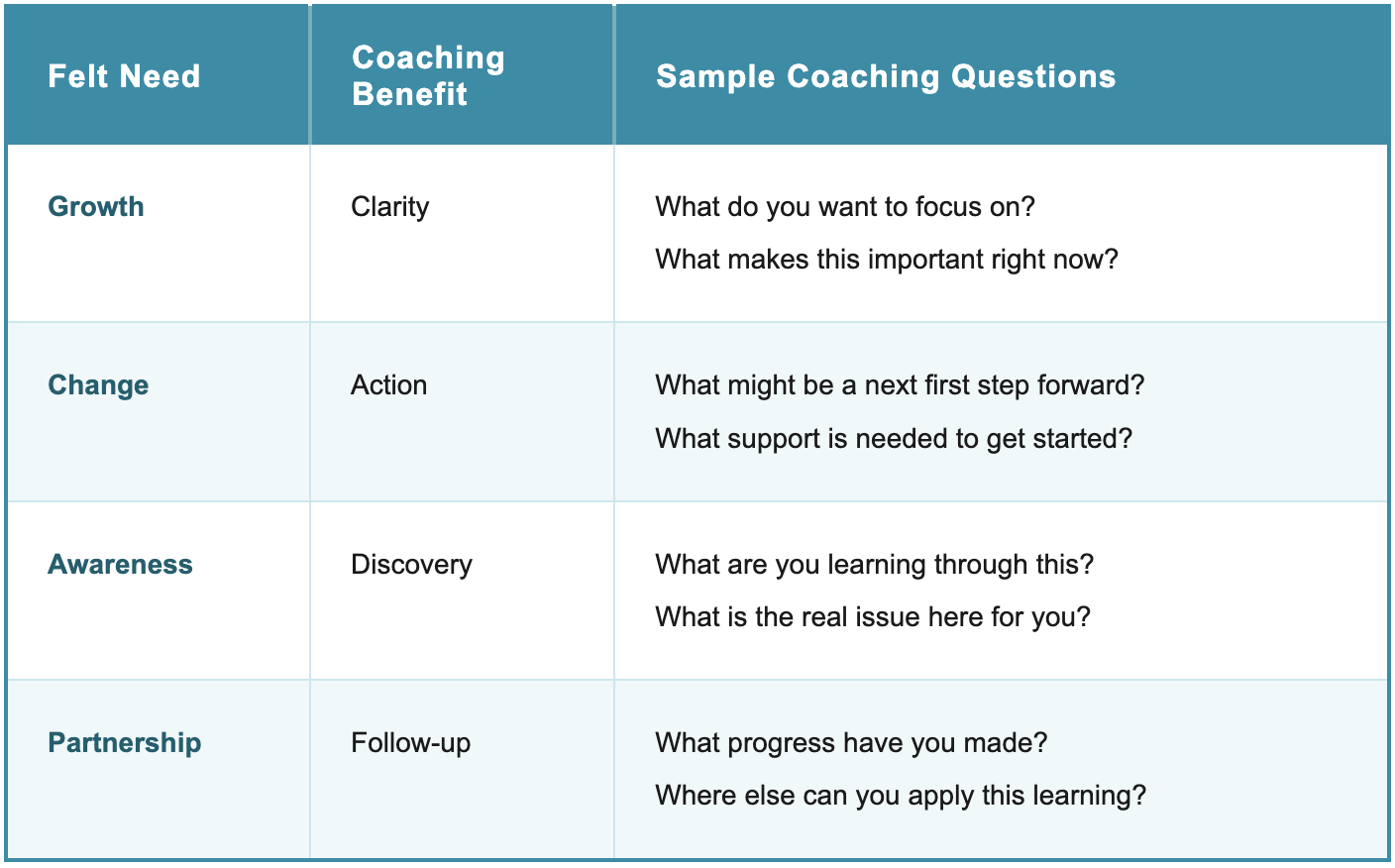
Rod: Many people enjoy having someone safe with whom to process their hopes, values, and next steps that will move them forward. Here are a few examples:
For those who feel stuck or are looking for growth, coaching brings clarity on where to start and what to do next.
For those looking for change or facing a transition, coaching brings the accountability needed to move ideas into action—while keeping the client fully responsible for choosing those actions.
For those who desire awareness or growth as a leader, coaching provides new discoveries and helps them gain deeper insight into what’s emerging for them.
And for those desiring more intentional community and partnership, coaching provides purposeful dialogue within a safe, trusting relationship grounded in connection and presence.
It’s not only about accountability; it’s about having a thought-partner walking with you through life—one who stays present, listens deeply, and asks powerful questions so you can own your learning and your direction.
If someone is interested in being coached in an area of their life, how should they go about finding a coach?
Rod: Anyone can call themselves a “coach,” so it’s worth finding someone who is certified. Those certified with the International Coaching Federation (ICF) have completed coach-specific training, practice hours, mentor coaching, and a performance evaluation that demonstrates competency in the ICF Core Competencies. All this ensures that you’re getting quality professional coaching that doesn’t dump advice on you but, rather, uses proven methods to skillfully facilitate your thinking and help you move forward.
Beyond finding someone who is certified, it’s important to find someone who feels like a good fit. Coaching is an ongoing dialogue in the context of a relationship grounded in connection and trust, so it’s ideal to consider the chemistry between you and the coach. Most coaches offer a free introductory session, so you can check out the connection before committing to a series of coaching sessions.
Is all coaching the same?
Rod: Not at all! Coaches have a variety of styles and techniques they use. Within coaching, coaches have niches—areas where they have a particular passion or interest in coaching certain aspects or situations of life. Here are a few examples of some of the most common:
Strength-Based Coaching can help identify and enhance current strengths and explore new ways to grow in them or find new options of expression.
Transition Coaching can help navigate the ambiguity and confusion that often comes with life or role transitions, like cross-cultural moves or beginning to lead in a new country.
Leadership Coaching is for anyone who is formally or informally leading others. If someone is new to leadership, coaching can help with the transition from a previous role and the growth/adjustments needed to step into a new leadership role.
Life Coaching can help unpack and bring new awareness into many life topics such as relationships, boundaries, personal growth, and more.
Team Coaching can help a team establish their mission, vision, ground rules, decision-making process, and strategy to achieve their team goals.
Group Coaching can help a group that wants to focus on a topic, ranging from stress management to career development to emotional intelligence to writing a book. Individuals learn from each other as they are guided by the coach.
To conclude, what do you love most about coaching? How has it changed your life?
Rod: I used to be known as a good listener. It seemed that people enjoyed talking with me and that they felt “heard,” but I noticed they often didn’t move forward with the topic that was concerning them. After I took my first professional coaching training course, I realized there’s a better way.
I find it motivational and inspirational to partner with someone in owning their story and choosing growth—helping them gain awareness so they can discover their own insights and choose their own actions. Coaching has also changed how I listen and how I lead people.
In the past, I felt the pressure to offer solid or relevant advice to fix other people’s issues. Now, I don’t feel that pressure. Instead, I enjoy the process of asking thought-provoking questions that prompt deeper reflection and discovery, creating space for the client to move from automatic doing into intentional learning and transformation. This is what true learning, development, and transformational coaching is all about.
A Fresh Perspective
Before this conversation with Rod, I thought of coaching primarily through the lens of sports. What I discovered is that coaching is much bigger than helping someone improve a skill or reach a goal. At its best, coaching creates space for reflection, growth, clarity, and forward movement.
For those of us living internationally, navigating transitions, leading across cultures, building new relationships, or simply trying to find our footing in a new season of life, having a trusted partner to help us process and discover our own next steps can be invaluable.
Sometimes the most powerful breakthroughs don't come from someone telling us what to do—they come from having the right questions asked at the right time.
And that, perhaps, is what coaching is all about.