
10 Helpful Ways to Welcome Visitors When Living Abroad

Photo by Macia Serrano on Unsplash
When I was 19 years old, I spent a year in France as a foreign exchange student. Like many young adults living abroad for the first time, I was discovering independence, building friendships, learning a new language, and figuring out who I was outside of my familiar world back in the United States.
Then my family came to visit.
I should have been excited. Instead, I felt invaded.
I had worked hard to build a new life in France, and suddenly my worlds were colliding. I found myself stuck somewhere in the land between my American culture and my newly adopted French culture.
I also felt responsible for making sure everyone had a wonderful experience. I worried about translating conversations, planning activities, and managing expectations. I felt torn between being a daughter, a sister, a tour guide, a host, and a student trying to maintain her studies and her new life.
If I'm honest, I wasn't a very gracious host.
At the time, I couldn't understand why something I had looked forward to felt so difficult. Looking back, I realize I wasn't prepared for the unique challenges that come when visitors enter your new world—your life in your host country.
Years later, after living internationally with my own family and welcoming many visitors, I've learned that hosting well isn't about creating a perfect experience. It's about navigating expectations, relationships, and cultures in ways that become a gift to everyone involved—you, your guests, and the local community around you.
Ten Lessons Along the Way
1. Recognize that visitors are entering your real life—not your vacation.
One of the biggest challenges for expats is that visitors often arrive in “vacation mode” while you're living in “normal life mode.”
You still have work responsibilities, school pickups, language classes, grocery shopping, and everyday routines. Meanwhile, your guests may have spent significant money and vacation time to come see you.
Neither perspective is wrong.
The key is acknowledging this reality before the visit begins. Let visitors know what your normal schedule looks like and where you'll need flexibility.
2. Talk about expectations before arrival.
Many hosting frustrations can be prevented with some honest conversations.
Do your guests expect to spend every waking moment with you? Are they hoping for a guided cultural experience? Do they want a lot of sightseeing? How much independence are they comfortable with?
Likewise, communicate your own expectations.
Talk about sleeping arrangements, transportation, meals, costs, schedules, and personal space. These conversations may feel awkward beforehand, but they are far less awkward than misunderstandings during the visit.
3. Remember that you are not a professional tour guide.
Many expats feel pressure to show their guests every famous landmark, restaurant, and hidden treasure.
You don't have to.
Your visitors most likely came primarily to see you, not the famous sites.
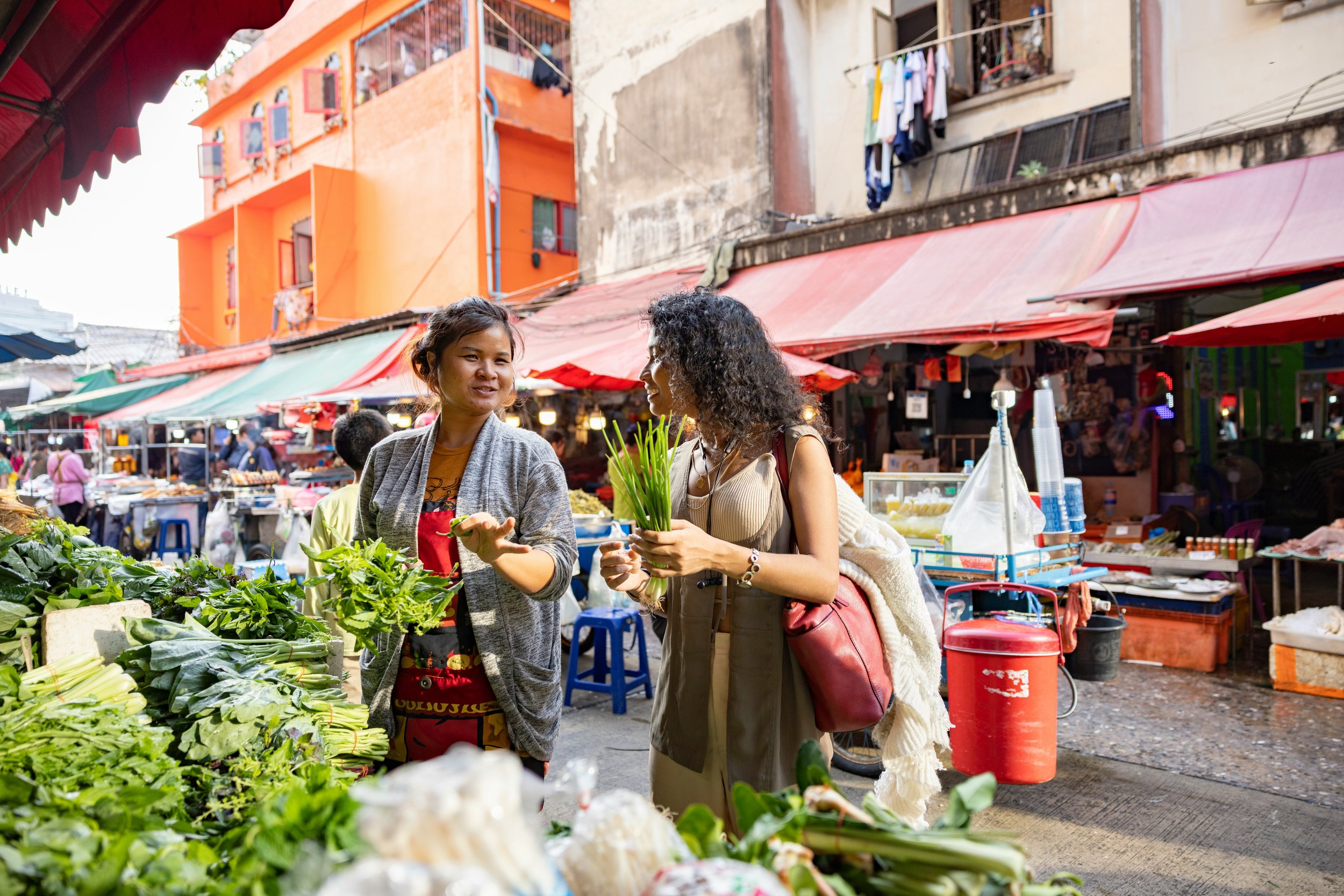
Of course, sharing special places can be meaningful, but don't exhaust yourself trying to create the perfect itinerary. Sometimes, the most memorable moments happen over coffee at your favorite neighborhood café or during a simple walk through your local market.
4. Let visitors experience real life.
Visitors often appreciate seeing everyday life abroad more than you realize.
Invite them into your everyday routine and normal activities. Take them to your child's soccer game. Introduce them to neighbors. Bring them along to a local event.
These experiences often provide a deeper understanding of your life than a packed schedule of tourist attractions.
They also help visitors appreciate the realities—not just the highlights—of living internationally.
5. Set aside some time and space for yourself.
This was the lesson I desperately needed when I was 19.
Hosting visitors can be physically, emotionally, and mentally exhausting. You're often translating language, culture, logistics, and relationships at the same time.
You don’t have to be with your guests constantly. They need time alone and so do you. It's okay to build in some breathing room for yourself. Set aside some time for little “getaways” to refuel.
Take a walk alone. Keep some normal routines. Give yourself permission not to entertain constantly. Healthy boundaries don't make you selfish; they help you stay present and generous throughout the visit.
6. Help visitors understand the local culture.
As expats, we often forget how much we've learned.
Simple things like greeting customs, meal schedules (In Spain, for example, lunch is at 2 p.m. and dinner is at 10 p.m.!), public transportation guidelines, shopping habits, or communication styles may feel normal to us now. But they weren’t always “normal.” Remember your first days living in your host country? Step into the shoes of your guests and re-discover the land you now call “home.” Become a cultural learner again alongside your visitors.
Take time to explain any cultural differences that could be helpful for them to understand. Visitors who understand local expectations are more likely to enjoy meaningful interactions and less likely to experience frustration or embarrassment.

7. Be a bridge, not a buffer.
When visitors arrive, it's tempting to manage every interaction between them and local people.
Instead, look for opportunities to build connections.
Introduce visitors to local friends. Encourage conversations. Include them in community gatherings and events when appropriate.
One of the greatest gifts we can offer is helping people experience relationships that cross cultural boundaries.
8. Don't forget the impact on local friends.
Hosting visitors doesn't only affect you.
Your local friends may find themselves welcoming your guests into their homes, answering questions, sharing meals, and offering hospitality.
Be sensitive and mindful of their generosity and their needs.
Ask before inviting visitors into local gatherings. Respect people's time and schedules. Express gratitude often.
When handled well, these interactions can become enriching experiences for everyone involved.
9. Expect some emotional surprises.
Visits often stir unexpected emotions.
You may feel homesick after seeing family. Visitors may struggle to understand your choices. You may realize how much you've changed. They may notice changes in you that you hadn't recognized yourself.
This is normal.
Cross-cultural living reshapes us. Visits often reveal those changes more clearly than everyday life does.
Extend patience and give yourself and your guests grace as everyone adjusts.
10. Focus on connection more than perfection.
Years ago, I thought being a good host meant creating a perfect experience for my guests.
Now, I think it means creating meaningful connection for all of us.
The goal isn't to see everything, do everything, or impress everyone.
The goal is to strengthen relationships.
When visitors leave feeling known, welcomed, and included in your life, the visit has been successful—even if plans changed, trains were missed, weather was bad, or attractions on the list weren’t visited.
Photo by Clay Banks on Unsplash
The Gift of Shared Worlds
Looking back on that visit to France when I was 19, I wish I had understood some of these lessons sooner.
I thought my family was interrupting the life I was building. What I see now is that they wanted to understand it. They wanted to step into my world and experience the place that was shaping me. They wanted to connect with me.
Living abroad changes us in profound ways. One of the challenges—and privileges—of international life is learning how to share our transformation with others.
When we welcome visitors into our host country, we give them more than a vacation. We give them a glimpse into another culture, another community, and another way of seeing the world. We also invite them into our own new world.
And in the process, we often gain something too: a deeper appreciation for the life we've built, the people who care about us, and the remarkable opportunity we have to live between worlds.
Guest author, Marci Renée, along with her family, is a global nomad who has traveled to more than 30 countries and has lived in the United States, France, Morocco, and Spain. She loves to travel, speak foreign languages, experience different cultures, eat ethnic foods, meet people from faraway lands, and of course, write and tell stories. She is a published author of children's picture books, memoirs, short stories, and poetry.
You can find Marci and her books on her website.
"The Cultural Story-Weaver," at www.culturalstoryweaver.com