
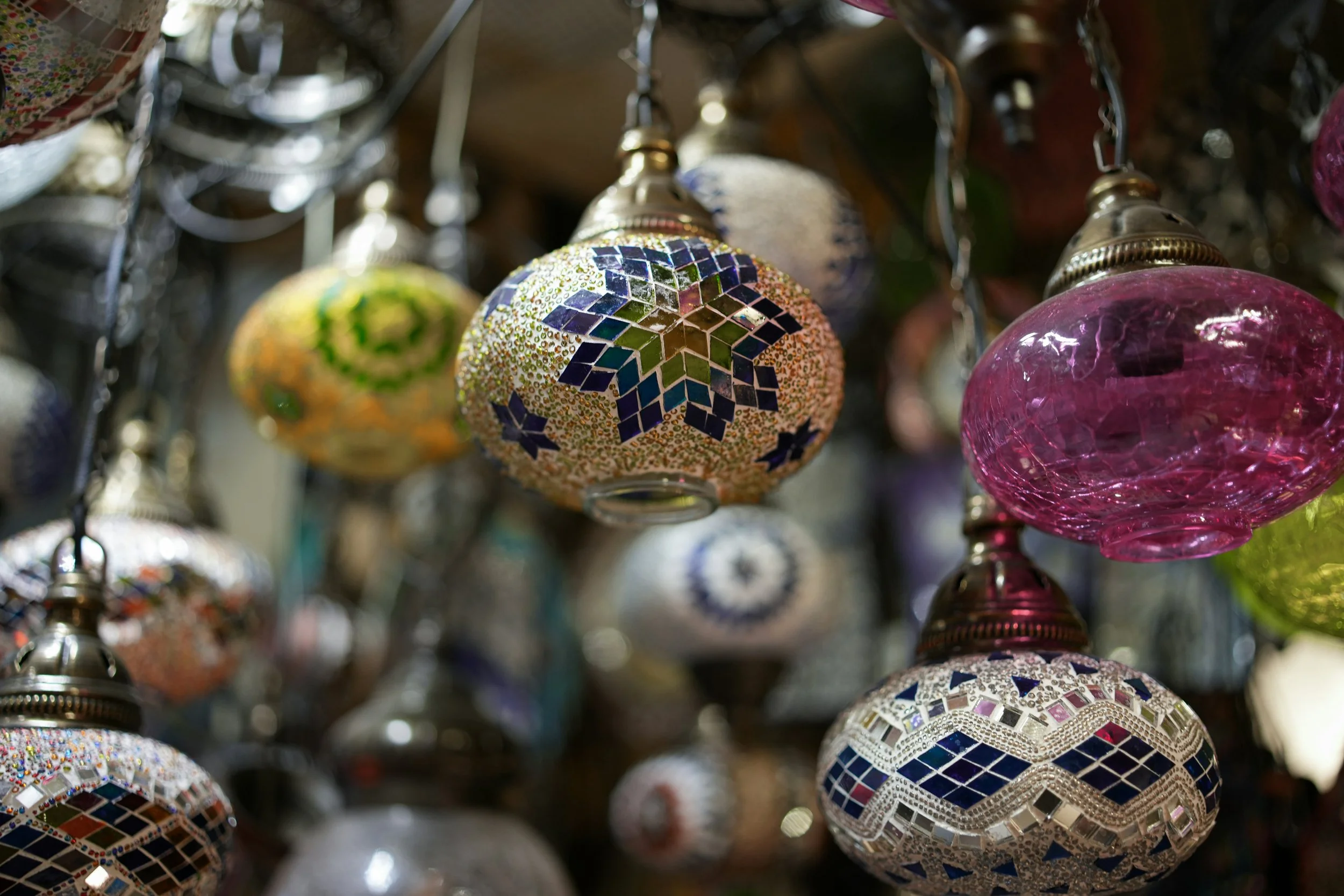
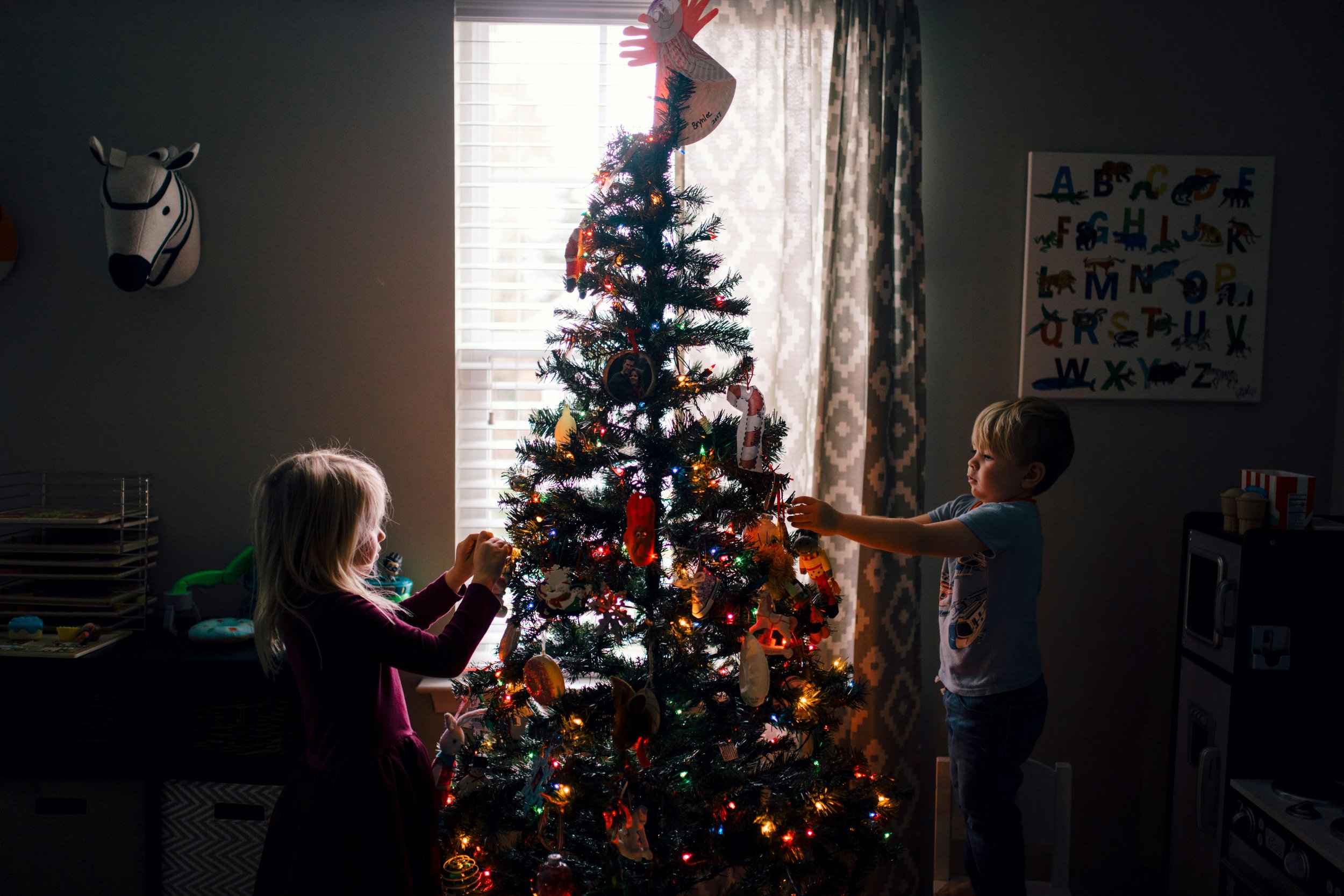
I am more excited for Christmas decorations this year than I usually am. Perhaps because the weather where I live now is cooperating with the season—with shorter days and a thin, fleeting layer of snow on the ground. Part of it is the fun of having special activities or decorations to mark the passage of time, and part of it brings up the nostalgia of years past.
I pull out the familiar ornaments that have been on our tree since I was small, alongside new additions from the past few years. The memories come back of a slightly crooked, hand-me-down artificial tree set up in my family’s basement in Tunisia—the cats batting at the lights, the party when someone made their own apple cider on the stove with boxes of apple juice. I’m sure some other family got that tree after we left—expat communities are good at passing that sort of thing around.
Traditions can connect us to fond past memories or bring us together or remind us of our national heritage, but how does the TCK (Third Culture Kid) experience complicate that picture?
Personal Accounts of Traditions
I spoke to a few TCK friends to see where our experiences differed or overlapped. After all, just because I find comfort in particular traditions doesn’t mean that everyone else does. (Some of my friends begged off my Lord of the Rings watch marathon after a few years, for example. But I still host it every winter, and it still brings me joy.)
Both friends shared traditions that were special to them. One enjoyed a meal with her parents at a special restaurant after each exam season, along with Christmas at the same hotel by the Mediterranean every year. The other always looked forward to Swedish meatballs every Christmas.
Adjustment Pains
The first few years, Josef didn’t have anything to compare his family’s holidays to. “It wasn't like we were clinging to a tradition from Sweden—we were creating our own tiny version of it,” he shared. “Christmas was the dry season [in central Africa], so it was sweating and t-shirts and running around barefoot outside. At one point we got to make snowballs from the slush in the freezer, which melted almost instantly.” But once his family spent an idyllic holiday in their home country of Sweden, holidays back in Africa became more difficult by comparison.
Korean holidays, like many others around the world, are all about food. So, Esther says, it was difficult to re-create those festive dishes in a country where the base ingredients just weren’t available. Her family had to adapt and find other ways to celebrate in an environment where they were outsiders in more than one way. It was difficult to feel like an outsider both at her international school—where most students were American—and in the broader host country culture.
Building a Welcoming Community
Once Josef became an adult, he returned overseas—a route that many TCKs pursue.
"At that point, I don't think the tradition [itself] meant as much to me anymore, partly because of the hard teenage years, and partly because I'd seen more traditions by then. So I wasn't as set on the Swedish way. . . It was more important that I wasn't alone, and that people had invited me in to spend time together and have fun. It didn't really matter what we did."
It didn’t matter if the group followed American traditions or Swedish or Korean or British or any other cultural mishmash. What was important was the community environment. What was important was being welcomed in.
How can you foster a welcoming community?
Both my friends offered specific examples of successful community-building around traditions. The international school that I attended alongside Esther, for example, went on a yearly camping trip. This tradition was firmly rooted in our community environment, and deviating from it was difficult to accept. Within that tradition, though, Esther said that she “really appreciated having ownership and a say.” Where would we go that year? Would we stay in a hotel or in tents? What activities would we do? Asking the student body, instead of assuming that everyone thought the same way, made Esther feel like she was more a part of things and could enjoy the tradition for its benefits. "Am I obligated to do this tradition? Do I have a say?" she asked. Or is it just assumed that everyone will go along with the plan?
Josef mentioned a small but consistent tradition that my family hosted: a crime show and pizza every Wednesday night. We mostly invited the single people in our community who didn’t have a nuclear family nearby to rely on, so that we could have a low-stakes way to spend time together and build community. This tradition, dependent on no holiday, became a place where people could be welcomed into a group that didn’t presuppose their experiences. Since more and more young people are moving away from their families—whether they move countries or not—creating celebrations and traditions that center around friends is more and more relevant.
"Diversity is uncomfortable," Esther says, but "you have to be more aware of the diversity in the room." Maybe not everyone has the warm memories of past holidays that you do. Maybe their family had Thanksgiving on a different day, or as a large community potluck, or not at all. Maybe they are used to different foods that they can’t get in your current country, or they would love to spend their holiday in a particular place that is a continent away. "You need to ask questions and listen," Esther continues. "Be aware that they’re in a different situation than you. You just need to talk to people who aren't like you and ask them what they want."
Rethinking Your Traditions
Whether your kids are now TCKs and you don’t know how best to help them, or your community includes people who grew up as TCKs themselves, we can learn a lot from the TCK experience.
Traditions can provide a sense of identity and a connection to your passport country. They can provide a sense of stability in a world that feels like it is constantly changing. (This is the part that meant the most to me.) They can also be complex and fluid when you live a cross-cultural life. You might need to adapt foods, dates, times, or create new traditions all your own.
What is important to you and your family and your community? How can you welcome people in and show interest in their lives? How can you prioritize the positives that traditions bring—stability, identity, and nostalgia—while maintaining the flexibility necessary in a cross-cultural life?
There are no one-size-fits-all answers to these questions, and that is the point. If you can, take the time this holiday season to think them through, whether you write down your answers or discuss them with others. Take the time to ask questions of others in your community—especially the TCKs—and listen to what they have to say.
Let’s keep learning from the wisdom our TCKs can offer us. Start by watching this three-minute video that captures the heart of Third Culture Kids.