
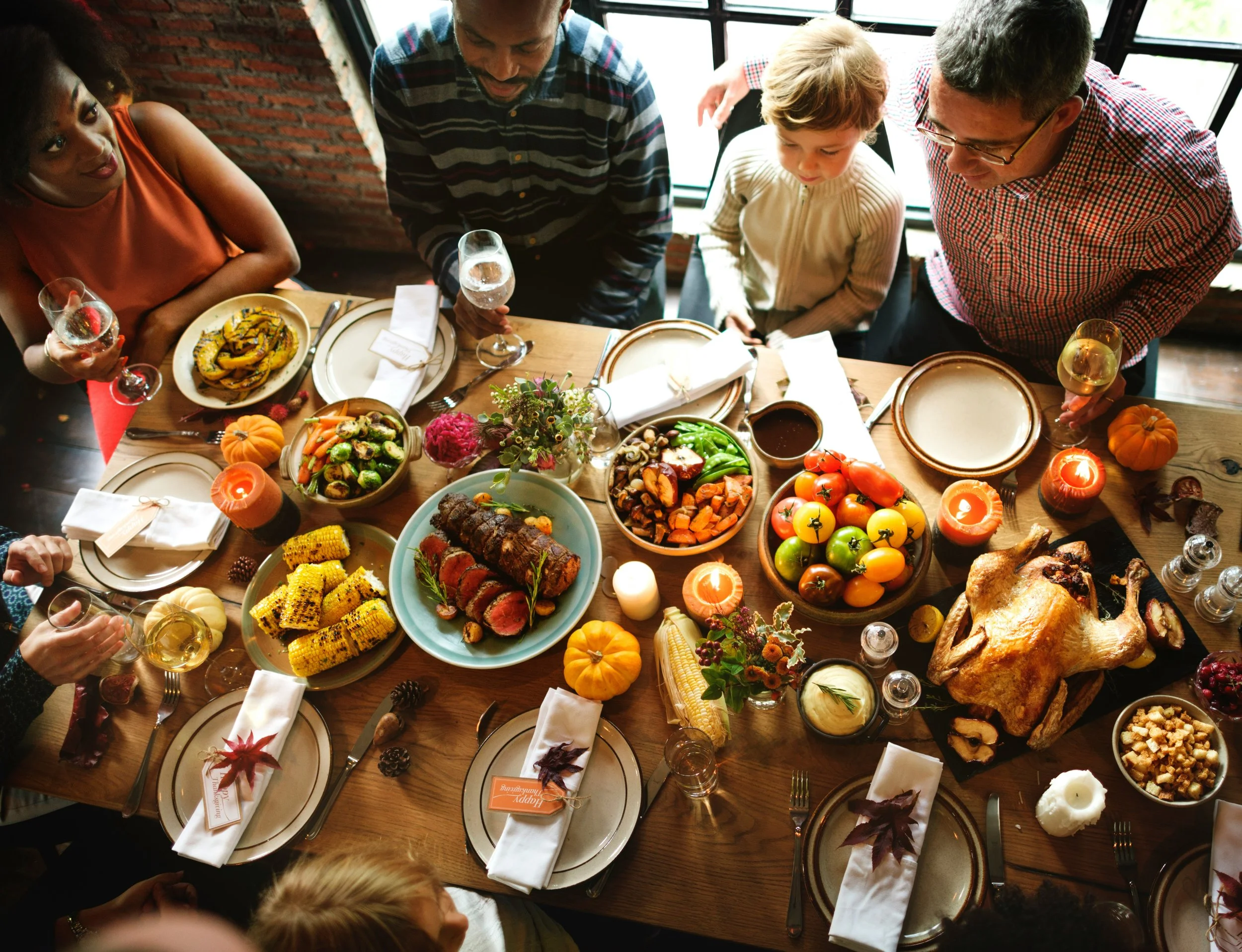
From birthday parties to Christmas and Thanksgiving festivities, celebrations are more than just a fun time for all the family. They are a time to remember, a time to belong, and a time to remember that we belong. This is especially important for families who live far away from where they come from, as traditions also connect us to what we left behind and to what we found in our new country—and can help us to link both.
The obvious impact of family celebrations and traditions is that they draw our families together. Studies show that shared rituals and celebrations strengthen family cohesion and well-being; for example, research in the Journal of Family Psychology found that family traditions are linked to stronger identity formation and emotional resilience in children.
Similarly, cross-cultural studies highlight that collective observances increase social bonding and reduce feelings of loneliness and isolation.
Joy and Belonging
For families who have chosen to move far away, celebrating an event or special day can serve as an anchor to our far-away home. If your children grew up overseas and never really lived in their passport countries, family traditions connect them to their roots and help them get to know where they come from. These types of family rituals can foster an individual’s “sense of belonging with others and their own sense of who they are.”
Also observing new-to-us holidays in our host country offers us the opportunity to express our connection with the people among whom we have come to live. In this way, family traditions offer us a unique way to define and express who our families really are: both from somewhere, rooted in a country and culture that might be far away but still defines us; and now living somewhere else, rooted in a different way to the country and culture that has become our new home.
The same can be true for multicultural families, where both parents come from different countries and cultures.
Try creating unique and rich family celebrations that reflect your family’s identity, how you belong to each other, and belong both to the country of your origins and to the country where you chose to make your home.
Comfort and Gratitude
Celebrations and traditions are not just social events; they are emotional lifelines. They anchor us in times of change, amplify joy, ease grief, affirm identity, and nurture connection. These shared experiences create bonds that foster emotional health across generations.
Looking back with gratitude on past birthdays, anniversaries, or other memories with loved ones can reduce stress and anxiety. Studies show that moments of gratitude like these can also boost your immune system and may help regulate the release of oxytocin.
These benefits aren’t just limited to joyous occasions. The sad events of life are worth commemorating, too, because grief is but the mirror of joy lost.
When a beloved person dies, we are sad because we remember all the happy moments we shared with this person, and grieve that we can no longer share them. In those times, coming together to share our common grief and to collectively remember what we have lost helps us to overcome our grief, heal, and move forward. In many ways, shared grief draws us together even more than shared joy.
Photo by Eyasu Etsub on Unsplash
Connect, Remember, Belong
Making time to celebrate—to honor the rituals that give meaning to life—is one of the most powerful investments we can make in our emotional wellbeing, especially for those of us who live in a culture that is not our own and are facing influences that often pull us in many different directions.
Traditions remind us that joy multiplies when shared, grief lessens when carried together, and identity strengthens when celebrated.
They create lasting relational bonds with those we share our celebrations with.
They fill us with gratefulness and joy.
They are even beneficial for our physical health.
Why not create family traditions to help you remember important moments of your life overseas? Maybe have a yearly celebration for the anniversary of your expatriation, or combine traditions from your country of origin and country of adoption for significant events like a wedding or the birth of a child.
Ultimately, the emotional impact of celebrations and traditions is a reminder of what it means to be human: to connect, to remember, and to belong.
Try incorporating practices of gratitude that will boost your health! Consider using the G.L.A.D. Technique developed by Donald Altman. Or start a new tradition in your home, like celebrating winter solstice (check out these great ideas), and experience for yourself the benefits of celebrating in community.